🛡 24/7 EMERGENCY WATER RESTORATION

Water Damage
Restoration In
Plymouth, MN

(612) 268-5222 Get A Free Quote
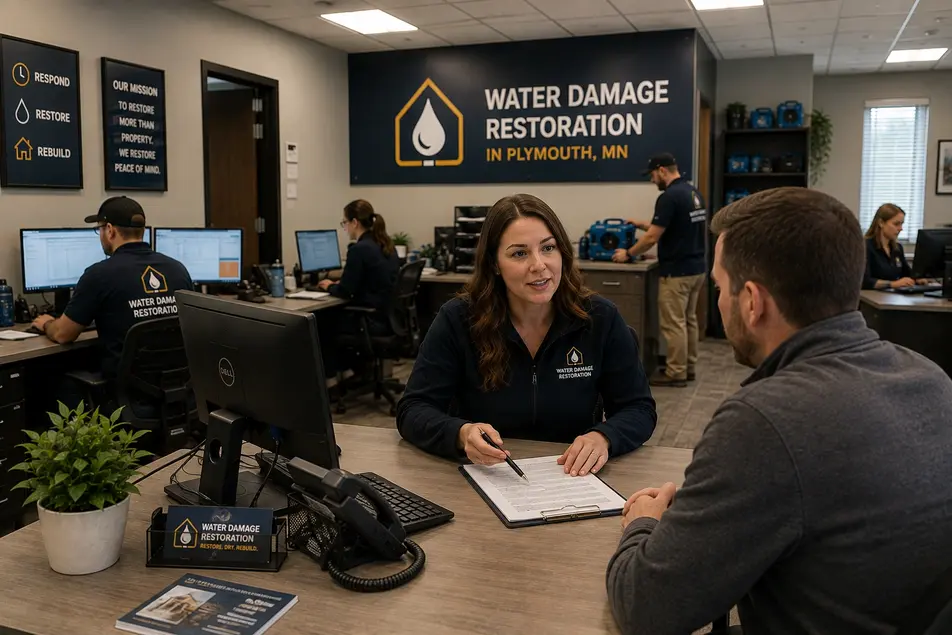
Water damage restoration office in Plymouth, MN with staff assisting a client and coordinating local restoration services.

24/7


Emergency Response
We are always available day or night

60 Min


Average Response Time
Wr arrive quickly to minimize damage

Certified


Restoration Expert
Trained, Experienced & Professional

Insurance


Claim Assistance
We handle the insurance claims process.

Our Water Damage Restoration Servicess In Plymouth


Complete Restoration Solutions For Home And Business In Plymouth, MN
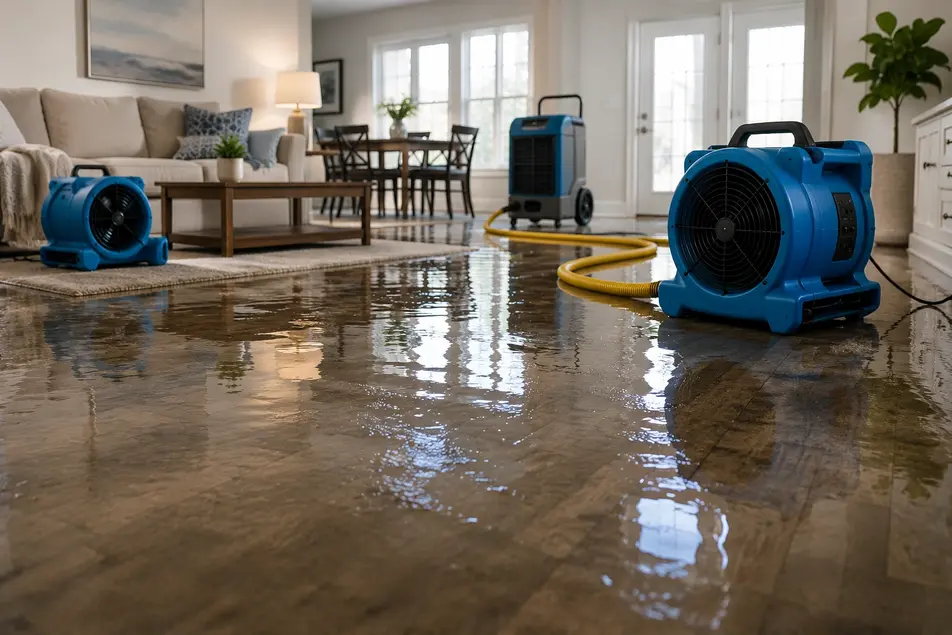
Professional water damage restoration service drying a flooded home with industrial fans and dehumidifiers in Minneapolis, MN.

Water Damage Restoration

Fast water removal and complete drying to prevent further damge.
Learn More →

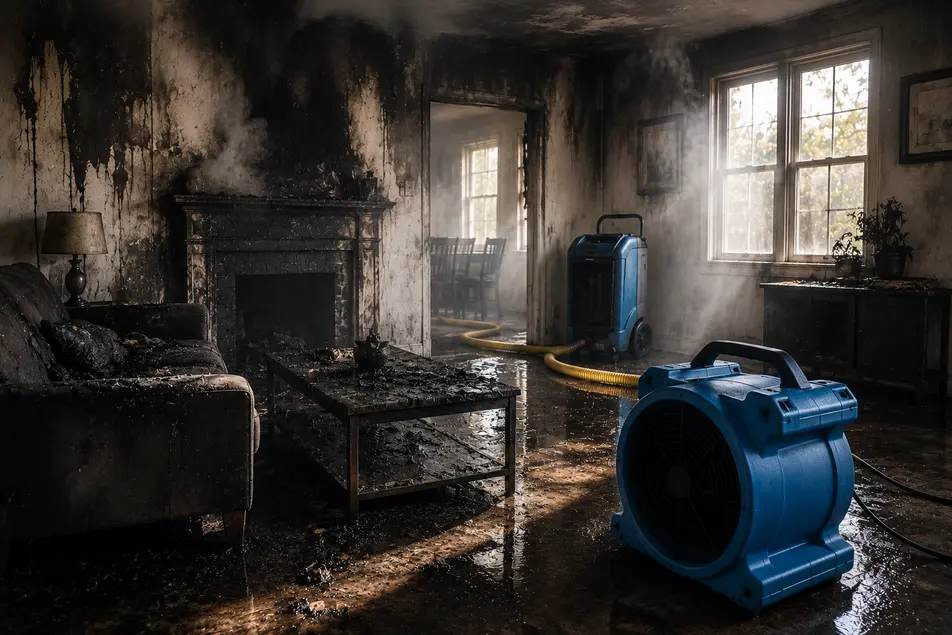
Professional fire and smoke damage restoration after a house fire with visible smoke, soot, and drying equipment in Minneapolis, MN.

Fire And Smoke Damage

Restore your property with expert care in Minneapolis.

Learn More →

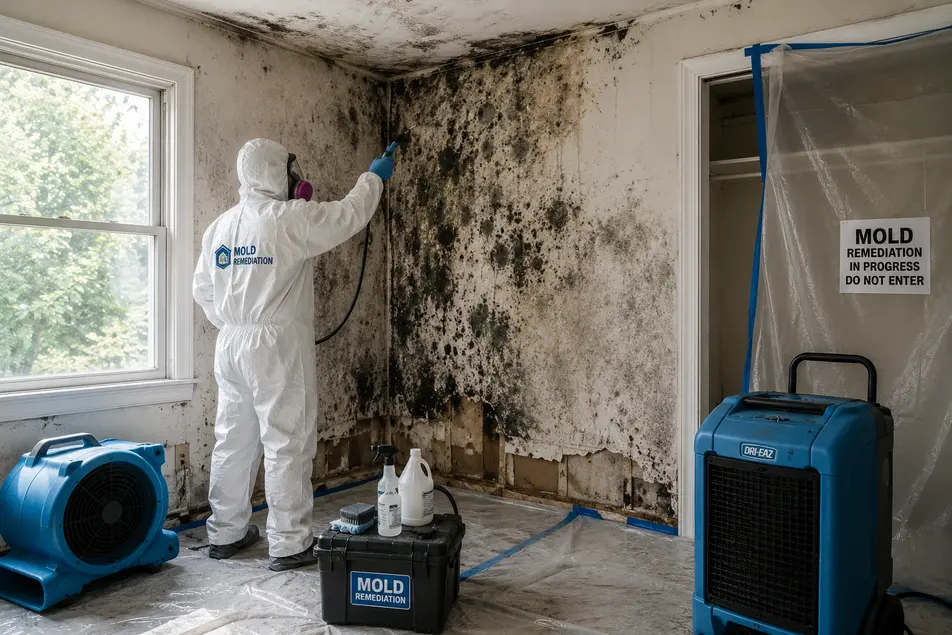
Professional mold remediation service removing black mold from water-damaged walls using specialized equipment in Minneapolis, MN.

Mold Remediation

Safe mold removal for healthier environment. Our team do this on same day.

Learn More →

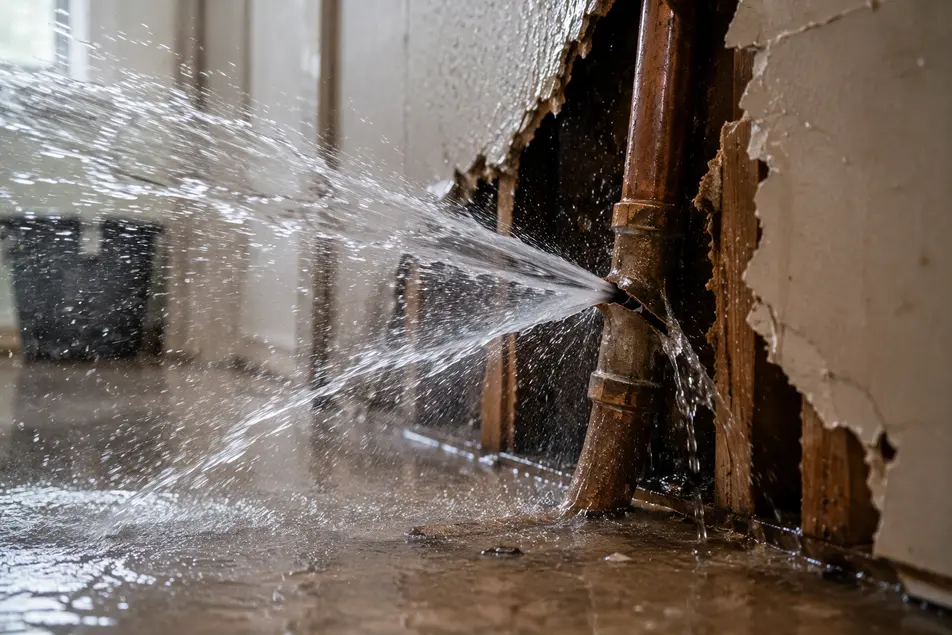
Burst pipe repair with high-pressure water leaking from a broken pipe causing indoor water damage in a Minneapolis, MN home.

Burst Pipe Repair

Fast water removal and complete drying to prevent further damge.
Learn More →

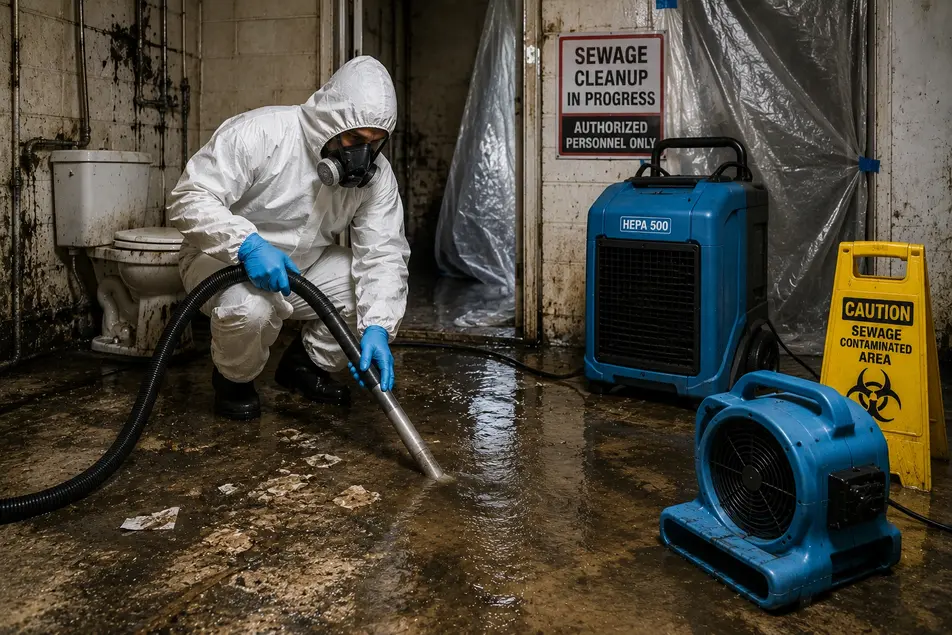
Professional sewage cleanup and water extraction service at a property in St. Paul, MN

Sewage Cleanup

Safe and thorough sewage cleanup and sanitization

Learn More →

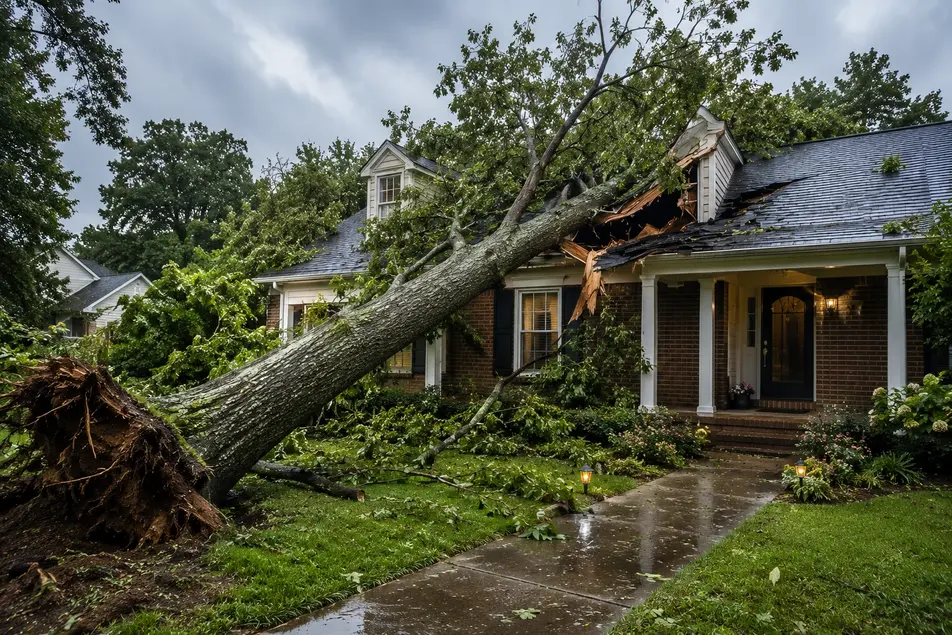
Storm-damaged residential home with a fallen tree crushing the roof, broken shingles, and debris after severe weather before professional storm damage cleanup.

Strom Damage Cleanup

Safe mold removal for healthier environment. Our team do this on same day.
Learn More →

Water Damage Emergency?

CALL NOW
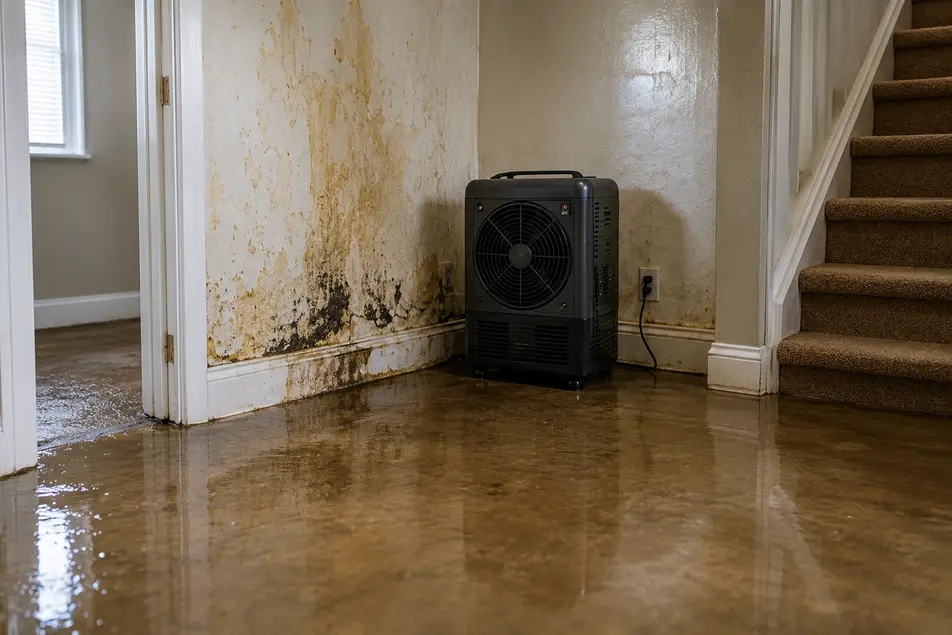
Basement water damage in Plymouth, MN with standing water, moisture-stained walls and drying equipment after indoor flooding.
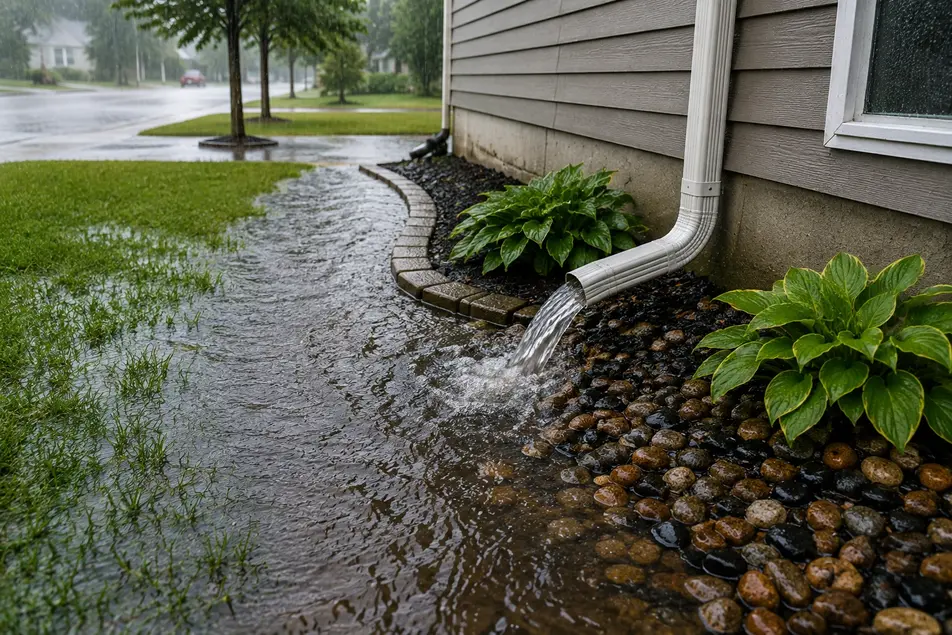
Heavy rain and storm runoff collecting near a Plymouth, MN home foundation, increasing the risk of basement water damage.
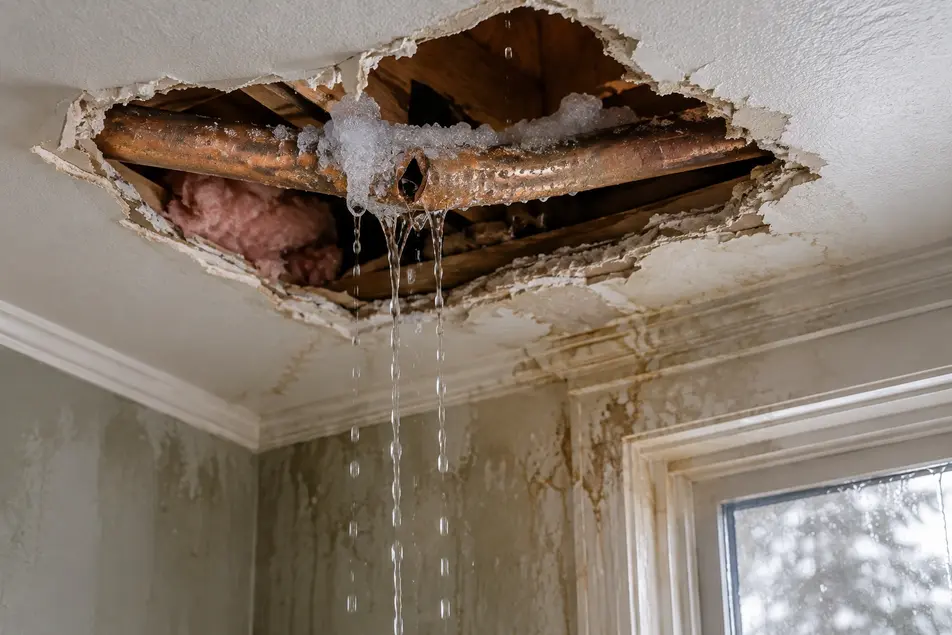
Frozen burst pipe causing ceiling water damage inside a Plymouth, MN home during cold winter weather.

Why Water Damage Is Common in Plymouth, MN

Plymouth’s changing Minnesota seasons bring different risks. Heavy rainfall creates large amounts of stormwater runoff, while winter brings frozen plumbing and drainage concerns. When water starts collecting near the foundation or escapes inside the home, it can reach flooring, drywall, insulation, and other materials before the full extent of the damage is visible.

Some common water damage problems Plymouth property owners should watch for include:

  • Sump Pump Problems: Plymouth specifically advises residents about proper sump-pump drainage and winter discharge. A frozen, blocked, or poorly draining discharge line can contribute to sump-pump problems and basement flooding.
  • Heavy Rain & Storm Runoff: A one-inch rainstorm can send more than 15 million gallons of runoff through Plymouth’s drainage system. During heavier storms, poor drainage around a property can leave water collecting near foundations and low areas.
  • Frozen Pipes & Water Lines: Minnesota’s freezing temperatures can put plumbing and water lines at risk. A cracked or failed pipe can release water into walls, ceilings, floors, or lower levels once water begins flowing again.
  • Melting Snow & Winter Drainage: Snow and ice around the property eventually melt, and that water needs somewhere to go. Poor grading, blocked drainage, or frozen discharge lines can allow water to collect too close to the home. Plymouth specifically recommends maintaining positive drainage around houses during winter.
  • Plumbing, Sewer & Water-Line Problems: Leaking plumbing, appliance failures, private service-line leaks, and sewer backups can cause unexpected indoor water damage. Plymouth maintains extensive sewer and water infrastructure and provides specific guidance for service-line leaks and sewer systems.

Our Simple 5-Step Restoration Process


From emergency response to complete restoration.
We make recovery fast and stress free.

Emergency call

Contact our 24/7 team anytime, day or night. We respond fast.

Inspection

We inspect the damage thoroughly and create a custom plan.

Water Extraction

We remove standing water quickly using powerful equipment.

Drying

We dry, clean and sanitize the area to prevent mold and odor.

Restoration

We rebuild and restore your property back to its best.

Areas We Serve In Plymouth, MN


Serving homes and businesses throughout Plymouth and surrounding communities.

  • Plymouth City Center
  • Parkers Lake Area
  • West Medicine Lake Area
  • East Medicine Lake Area
  • Plymouth Creek Area
  • Bass Lake Area
  • Schmidt Lake Area
  • Northwest Plymouth

Water Damage Emergency?

CALL NOW

Frequently Asked Questions

Stop the water source if you can do it safely, and stay away from standing water if electrical hazards may be present. Then start water removal and drying as soon as possible. The faster wet flooring, drywall and other materials are addressed, the better the chance of limiting additional damage.

Heavy rain and rapid snowmelt can saturate the ground around Plymouth homes. If drainage is poor or the sump system cannot keep up, water may collect around the foundation and enter lower levels. Local sources identify spring thaw, heavy rainfall and sump-pump problems as recurring Plymouth concerns.

Water can begin collecting in the sump basin and eventually enter the basement if groundwater continues rising. Check the pump and discharge line if it is safe to do so. Plymouth also warns residents that sump-pump discharge lines can freeze or become obstructed during winter.

Look for staining, bubbling paint, warped flooring, soft drywall or a persistent musty smell. However, hidden moisture isn’t always visible. Professional moisture meters and other detection equipment can help determine whether water remains inside walls, flooring or other building materials.

It depends on the cause and your individual policy. Sudden and accidental incidents, such as some burst-pipe losses, may be covered, while groundwater flooding and long-term leaks may be treated differently. Take photos, document the damage and contact your insurer promptly to confirm your specific coverage.

It depends on how much water entered the property, where it traveled and which materials were affected. Extraction may begin immediately, while structural drying commonly takes several days. Repairs can take longer if drywall, flooring, insulation or other materials need replacement. Restoration sources commonly describe drying as a multi-day process rather than something completed as soon as visible water disappears.